Get Poured Wall Installation
Poured wall installation services help property owners build strong, durable foundation walls for basements, retaining walls, and other construction projects, solving structural and stability issues.
Poured wall installation is a practical solution for property owners seeking durable and reliable retaining walls, foundation supports, or boundary structures. Whether planning a landscaping project, reinforcing a hillside, or preparing a construction site, understanding the options available can help ensure the stability and longevity of your property. Local contractors specializing in poured wall services offer the expertise needed to assess site conditions, recommend suitable designs, and execute the work with precision.
Exploring local options for poured wall installation allows property owners to compare service providers with experience in handling projects of various sizes and complexities. By considering different contractors in the area, you can find professionals equipped to meet your specific needs and help bring your project plans to life. Keep reading to discover how local service providers can assist with your poured wall needs and ensure your property’s structural integrity.
- Basement Wall Pours - needed when constructing or reinforcing basement walls to ensure stability and durability.
- Retaining Wall Pours - required for building or repairing retaining walls that hold back soil on sloped properties.
- Foundation Wall Pours - essential when establishing new foundations or fixing existing foundation walls for structural integrity.
- Curb and Landscape Wall Pours - used for installing decorative or functional landscape walls around residential or commercial properties.
- Industrial or Commercial Wall Pours - necessary for large-scale projects requiring poured concrete walls for warehouses, factories, or other facilities.

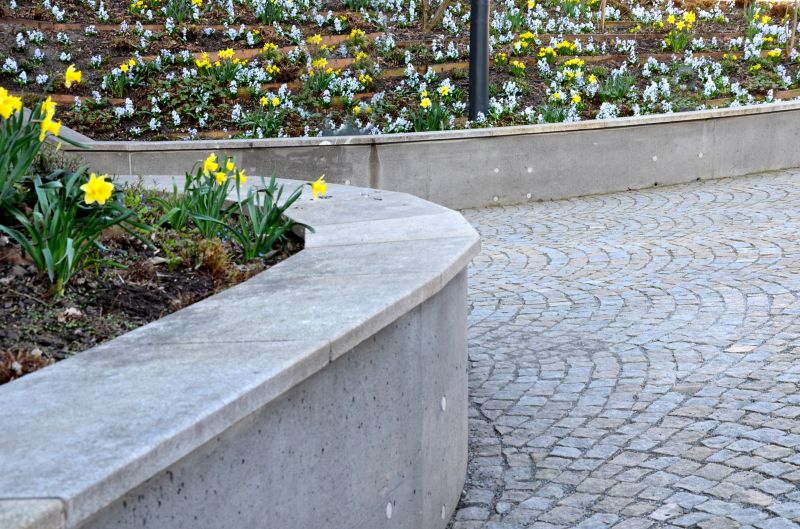
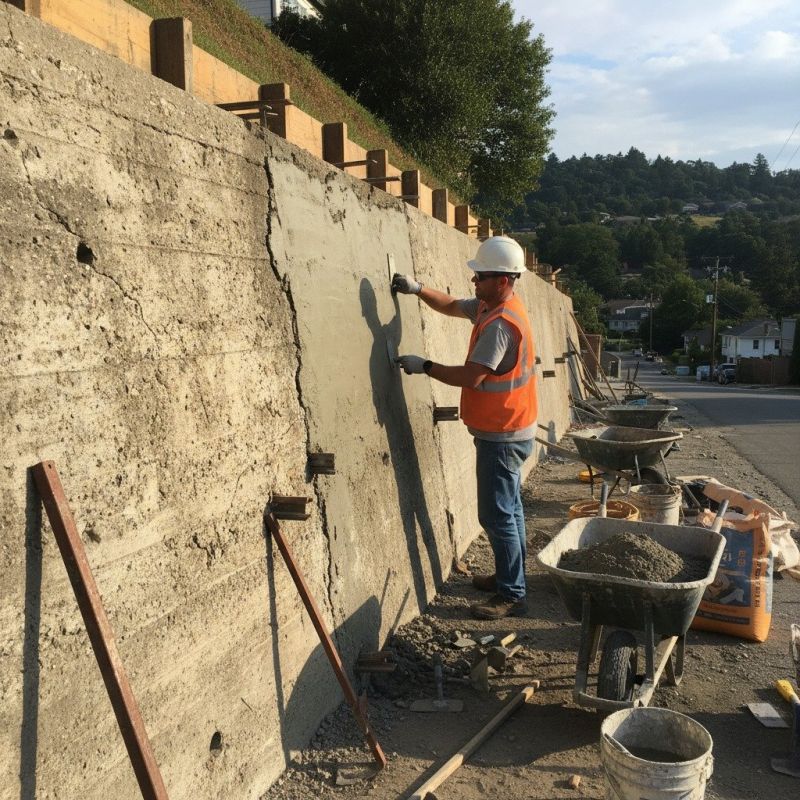
Poured wall installation involves creating sturdy, durable concrete walls that serve as foundational or retaining structures for various types of properties. This process typically begins with preparing the site, setting forms to shape the wall, and then pouring concrete into these forms to achieve a seamless, solid surface. Once the concrete cures, the result is a strong, long-lasting wall that can support soil, prevent erosion, or define property boundaries. Skilled contractors ensure that the walls are properly reinforced and finished to meet structural needs and aesthetic preferences.
This service addresses several common problems faced by homeowners and property owners. Poured walls are often used to correct issues related to soil pressure, such as preventing basement leaks or wall bowing caused by shifting ground. They also help contain landscaping features, create level surfaces, or replace aging or damaged walls that threaten the stability of a property. Additionally, poured walls can improve the overall safety and appearance of a property by providing a reliable barrier or support structure.
Properties that typically benefit from poured wall installation include residential homes with basements, retaining walls for gardens or driveways, and commercial or industrial buildings requiring reinforced foundations. Homes built on uneven terrain often need poured walls to stabilize the landscape and prevent soil erosion. Commercial properties with large excavations or underground facilities may also rely on poured walls for structural integrity. These walls are especially useful in areas prone to shifting soil or heavy moisture, where a durable and resilient barrier is essential.
Homeowners who notice signs of foundation movement, such as cracks in basement walls, sticking doors, or uneven floors, may need poured wall services to address underlying stability issues. Additionally, those planning renovations or landscaping projects that involve excavation or soil retention should consider poured walls for added support. By connecting with experienced local contractors, property owners can find solutions tailored to their specific needs, ensuring that their walls are built to last and function effectively.
The overview below groups typical Poured Wall Installation projects into broad ranges so you can see how smaller, mid-sized, and larger jobs often compare in your area.
In many markets, a large share of routine jobs stays in the lower and middle ranges, while only a smaller percentage of projects moves into the highest bands when the work is more complex or site conditions are harder than average.
Smaller Repairs - Typical costs for minor poured wall repairs or patching range from $250-$600, covering routine fixes for localized issues. Many projects fall within this middle range, depending on the extent of damage and materials needed.
Standard Installations - Installing new poured walls for basements or foundations usually costs between $4,000-$8,000. Local contractors often see many jobs in this range, with larger or more complex projects reaching higher amounts.
Full Basement Walls - Complete poured wall replacement or full basement wall installation can range from $10,000-$20,000, depending on size and scope. Larger, more intricate projects tend to push into the upper end of this range.
Large-Scale Projects - Extensive commercial or multi-unit building poured wall installations can exceed $50,000, with very complex or customized projects potentially reaching higher costs. These are less common but represent the upper tier of typical project sizes.
Actual totals will depend on details like access to the work area, the scope of the project, and the materials selected, so use these as general starting points rather than exact figures.
Foundation Wall Construction - professionals skilled in building durable foundation walls often have experience with poured wall systems, ensuring structural integrity and proper planning.
Retaining Wall Installation - retaining walls require similar excavation, form-setting, and concrete pouring techniques used in poured wall projects.
Basement Wall Waterproofing - waterproofing basement walls involves understanding wall structures and concrete application, aligning with poured wall installation skills.
Concrete Wall Panel Installation - installing prefabricated concrete panels shares planning and handling techniques with poured wall construction.
Structural Wall Reinforcement - reinforcing existing walls involves concrete work and planning comparable to poured wall projects.
Underground Utility Wall Construction - building walls for underground utilities requires similar excavation, formwork, and concrete pouring expertise.
When considering poured wall installation services, it’s important to evaluate the experience of local contractors with similar projects. Homeowners should look for service providers who have a proven track record in constructing poured concrete walls comparable to the scope of their needs. Asking for examples of past work or references related to projects of a similar size and complexity can offer insight into a contractor’s familiarity with the specific requirements and challenges that may arise. Experience in handling comparable projects often indicates a contractor’s ability to deliver quality results efficiently and effectively.
Clear, written expectations are essential when selecting a service provider for poured wall installation. Homeowners should seek out contractors who can provide detailed descriptions of the work scope, materials, and procedures involved. Having these expectations documented helps ensure that both parties are aligned on what will be delivered, reducing the potential for misunderstandings or surprises during the project. Transparent communication about the process and deliverables fosters a smoother working relationship and helps set realistic expectations from the outset.
Reputable references and effective communication are key factors when comparing local service providers. Homeowners should inquire about references from previous clients to gauge satisfaction and the overall quality of the work performed. Additionally, good communication practices-such as prompt responses to questions, clarity in explanations, and openness to discussing project details-are indicators of a professional approach. Engaging with contractors who prioritize clear communication and have positive references can help ensure the project proceeds smoothly and meets expectations, making it easier to select a qualified partner for poured wall installation.
Property owners use Poured Wall Installation services for practical projects around their homes and businesses. This guide focuses on everyday jobs and straightforward project options.
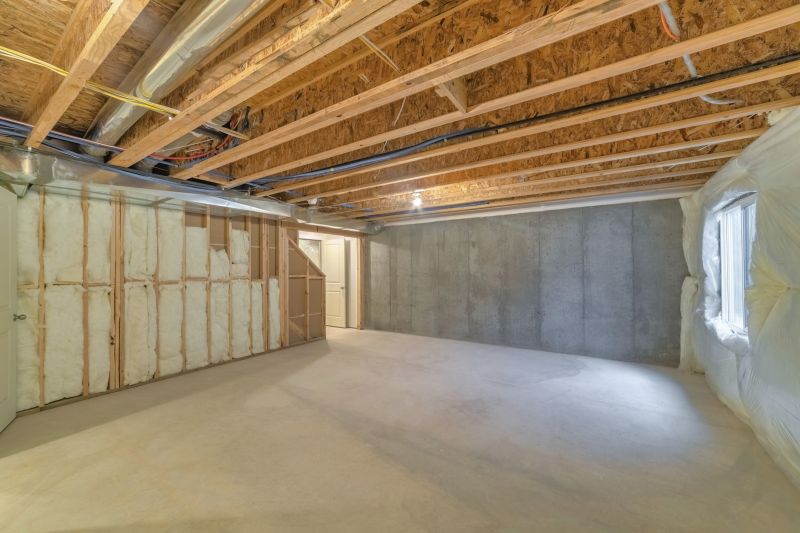
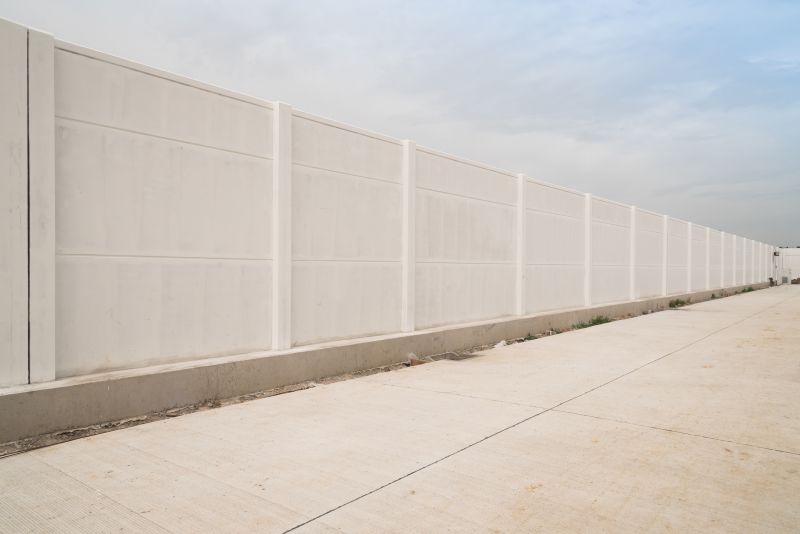
Poured wall installation services are often sought after for projects involving foundation repairs, basement finishing, or retaining walls. Property owners may need these services when they notice cracks, water leaks, or shifting in their existing walls, indicating structural issues that require professional attention. Additionally, those planning new construction or renovation projects might look for local contractors who can provide durable, precise poured walls to ensure stability and longevity.
Many property owners turn to local service providers for poured wall work to improve the safety and functionality of their properties. Whether building a new basement, reinforcing an existing foundation, or creating retaining walls to manage landscape changes, these projects often require expert installation to meet structural needs. Local contractors are familiar with regional conditions and building codes, making them a practical choice for homeowners and business owners seeking reliable, professional poured wall solutions.
What are poured wall installation services? Poured wall installation involves creating concrete walls for foundations, retaining walls, or basement structures, provided by local contractors experienced in concrete work.
Why choose professional poured wall installation? Hiring local service providers ensures the work is done correctly, providing durability and structural integrity for various construction needs.
What types of poured walls do contractors handle? Contractors typically handle foundation walls, retaining walls, and basement walls, customizing solutions to fit specific project requirements.
How do local contractors prepare for poured wall projects? They assess the site, prepare the formwork, and ensure proper mixing and pouring of concrete to achieve the desired wall specifications.
What should be considered before hiring a poured wall contractor? It’s important to review their experience, ensure they have the necessary equipment, and verify their understanding of local building codes and standards.
Basement and Crawl Space Support - Poured walls can provide stable foundation support for basement or crawl space renovations, helping to prevent shifting or settling.
Property Boundary Marking - Installing poured walls can define property lines or create retaining walls to manage soil and landscape features.
Garden and Landscape Edging - Poured walls can be used to create durable borders around gardens, patios, or other outdoor features for a clean, finished look.
Erosion Control Solutions - Service providers can install poured walls to help manage water flow and prevent erosion on sloped properties.
If you are thinking about Poured Wall Installation for a property, this guide is meant to help you understand the work, the typical project types, and how different options might fit your plans.
When you are ready, you can use the quote form on this page to share a few details about your project. From there, local pros can review the basics and respond with options that match what you have in mind.